Independent testing for metal AM qualification, process development and aerospace engineering approval
Additive manufacturing is changing how aerospace metal parts are designed, manufactured and repaired. Metal AM can reduce material waste, shorten lead times and make complex component geometries possible where conventional machining, forging or casting may be difficult or costly.
However, additively manufactured aerospace parts cannot be qualified by alloy grade alone. Build direction, deposition strategy, heat treatment, specimen orientation and local microstructure can all affect mechanical performance.
ASAMS provides independent additive manufacturing testing services for aerospace metal parts, helping manufacturers, engineering teams and technology developers turn AM test data into clear engineering evidence
Metal additive manufacturing testing support
ASAMS supports metallic additive manufacturing projects with practical destructive and metallurgical testing. Testing can be used to support AM process qualification, material comparison, heat treatment assessment, build orientation studies, supplier approval, production validation and failure investigation.
Our additive manufacturing testing services include:
- Tensile testing of AM metals
- Charpy impact testing
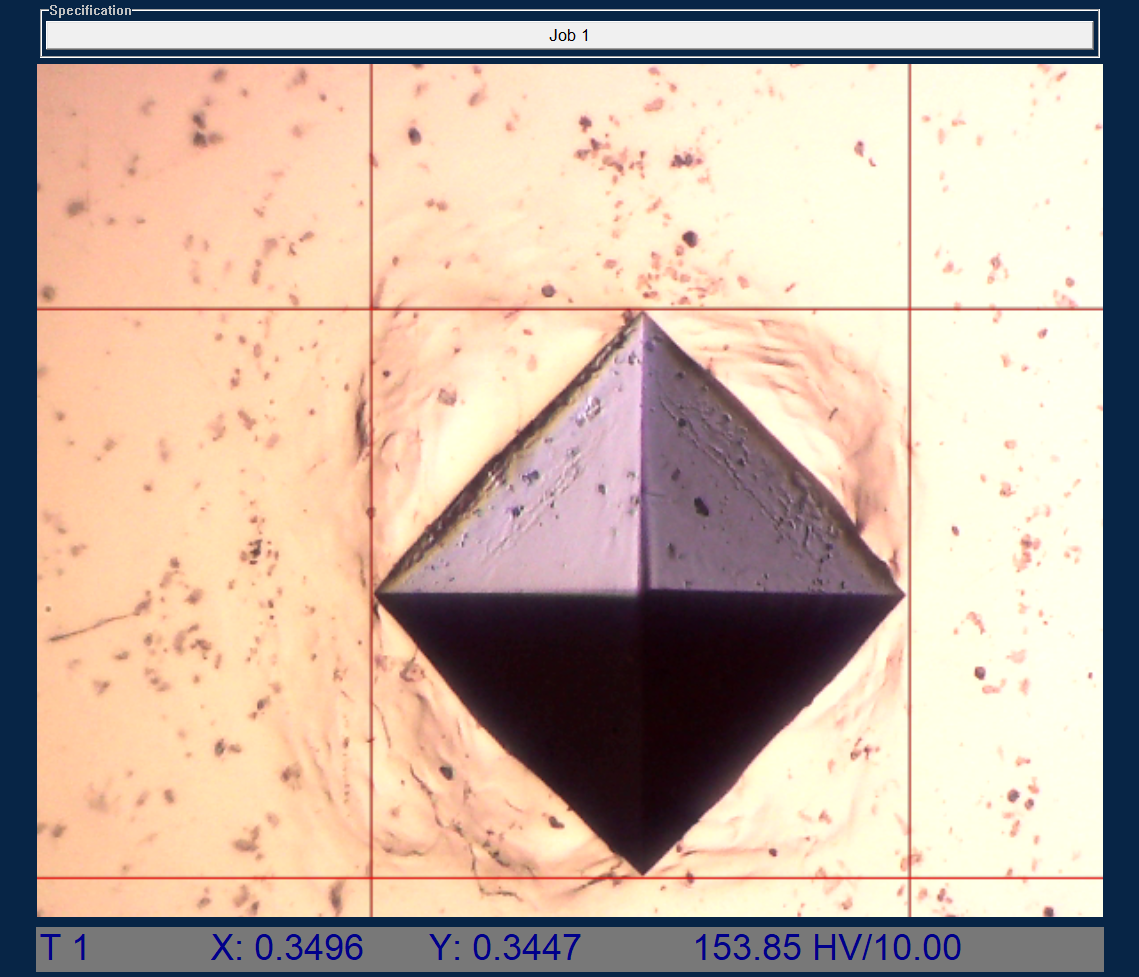
- Hardness testing and hardness surveys
- Bend testing
- Macro examination
- Microstructural examination
- Specimen orientation and extraction planning
- AM process qualification support
- Aerospace material testing
- Testing of nickel alloys, aluminium alloys and other engineering metals
Why additive manufacturing testing matters
Metal additive manufacturing creates material through repeated heating, cooling and layer-by-layer deposition. This means AM parts can behave differently from conventional wrought, forged or cast products, even when the nominal alloy grade is the same.
Key factors that can influence the performance of additively manufactured metal parts include:
- Feedstock type
- Energy source
- Deposition method
- Build direction
- Bead or toolpath strategy
- Heat treatment condition
- Machining or post-processing
- Defect population
- Specimen extraction location
- Test orientation
For aerospace applications, a material certificate or generic alloy datasheet is rarely enough on its own. Independent AM testing helps confirm whether the manufacturing route is producing material with the required strength, ductility, toughness and consistency.
AM qualification requires engineering evidence
Additive manufacturing offers major opportunities for aerospace, space, defence, energy, nuclear, marine, oil and gas, motorsport and research applications. But those opportunities depend on reliable qualification evidence.
Independent testing helps answer important engineering questions, including:
- Does the AM process produce the required mechanical properties?
- Does build direction affect tensile or impact performance?
- Has heat treatment produced the expected material response?
- Are hardness, ductility and toughness consistent across the build?
- Are porosity, fusion features or microstructural variations present?
- Is the material suitable for customer approval or process qualification?
ASAMS helps customers plan practical test programmes that produce results engineers can use with confidence.
Download the whitepaper
Download the ASAMS whitepaper to learn how independent testing supports the qualification of additively manufactured aerospace metal parts.
The whitepaper covers:
- Metal additive manufacturing testing
- Aerospace AM qualification
- Laser DED nickel alloy 718 testing
- Arc DED aluminium 5183 testing
- Tensile, Charpy, hardness and bend testing
- Macro and microstructural examination
- Build direction, deposition strategy and specimen orientation
Discuss your AM testing requirements
If you are developing, qualifying or investigating additively manufactured metal components, ASAMS can help plan a practical testing programme and provide clear reporting for your project team or customer.
Contact ASAMS to discuss:
- Additive manufacturing testing
- Aerospace metal part qualification
- Tensile testing of AM metals
- Charpy impact testing
- Hardness testing
- Bend testing
- Macro and microstructural examination
- AM process qualification support
Turn AM test data into engineering evidence with ASAMS.
Report produced with funding and in association with TWI and the European Space Agency.